Flights to Melbourne
Planning a trip to Melbourne? This guide helps you compare flights to Melbourne, understand how Melbourne Airport (MEL) and Avalon Airport (AVV) operate, and plan your arrival with confidence. Melbourne is one of Australia’s busiest aviation hubs, offering frequent domestic services and long-haul international connections year-round. Whether you’re travelling for business, a city break, or a longer stay in Victoria, clear information on routes, flight times, and arrival logistics makes planning simpler.
Below, you’ll find practical information on flights to Melbourne, popular domestic and international routes, typical travel times, and guidance on choosing the best area to stay once you arrive.
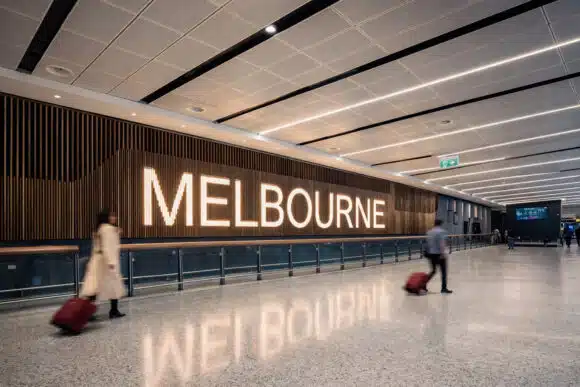
Overview of Flights to Melbourne
Melbourne is one of Australia’s most connected cities, with strong domestic competition and extensive international airline networks. Flights to Melbourne operate daily from major Australian capitals and key global hubs across Asia, New Zealand, North America, and the Middle East.
As a major cultural, sporting, and business destination, Melbourne experiences steady travel demand throughout the year. Peak travel periods often align with major events, school holidays, and summer tourism, while shoulder seasons can offer more flexible flight availability and pricing.
Domestic routes
Sydney, Brisbane, Gold Coast, Adelaide, Perth, Canberra.
International routes
New Zealand, Singapore, Bali, Kuala Lumpur, Dubai, Los Angeles.
Two airports
Melbourne Airport (MEL) and Avalon Airport (AVV).
Where Do Flights to Melbourne Arrive?
Melbourne Airport (MEL – Tullamarine)
Most flights to Melbourne arrive at Melbourne Airport (MEL), also known as Tullamarine Airport. Located approximately 23 kilometres northwest of Melbourne CBD, it handles both domestic and international flights across multiple terminals. Melbourne Airport services full-service carriers, low-cost airlines, and long-haul international routes, making it the primary gateway to Victoria.
- Airport code: MEL
- Distance to CBD: ~23 km
- Main transport: SkyBus, taxi, rideshare, car hire
- Popular accommodation hubs: Melbourne CBD, Southbank, Docklands
Avalon Airport (AVV)
Avalon Airport (AVV) is located around 50 kilometres southwest of Melbourne’s CBD. It primarily operates domestic flights and is often used by budget carriers. While smaller than Melbourne Airport, Avalon can provide an alternative option depending on airline schedules and departure city.
- Airport code: AVV
- Distance to CBD: ~50 km
- Main transport: Airport shuttle, taxi, car hire
- Nearby destinations: Geelong, Surf Coast, regional Victoria
Compare Flights to Melbourne
Flight prices to Melbourne vary depending on travel dates, demand, and departure city. Direct services are available on many domestic routes, while international travellers may choose between non-stop flights and connecting services via major hubs.
Use the search tool below to compare flight availability, travel times, and seasonal pricing for your preferred dates.
Domestic Flights to Melbourne
Melbourne has some of the busiest domestic air routes in Australia. Flight times on these short-haul routes typically range from 1.5 to 4 hours, depending on departure city. Frequent daily services make Melbourne a convenient destination for both business trips and weekend travel.
Popular domestic routes
International Flights to Melbourne
Melbourne Airport supports a broad range of international routes. Direct international flights to operate from the following cities. As one of Australia’s primary international gateways, Melbourne offers strong connectivity across Asia-Pacific and onward long-haul services.
Popular international markets
How Long Are Flights to Melbourne?
Flight duration to Melbourne depends on your departure city, whether the service is direct, and the time of year. Domestic routes are generally short- to medium-haul, while international services range from regional Asia-Pacific flights to long-haul intercontinental journeys. When planning arrival-day activities, consider not just flight time but also airport processing, baggage collection, and transport into the city centre.
Typical duration ranges (guide only)
• Domestic direct flights: usually between 1–4 hours depending on departure city
• Trans-Tasman flights: around 3–4 hours from New Zealand
• Asia-Pacific routes: approximately 6–9 hours from major Southeast Asian hubs
• Long-haul international flights: 13–15+ hours from North America or Europe (via global hubs)
Common non-stop flight times to Melbourne
- Sydney: ~1 hour 30 minutes
- Brisbane: ~2 hours 15 minutes
- Gold Coast: ~2 hours 20 minutes
- Perth: ~4 hours
- Auckland: ~3 hours 30 minutes
- Singapore: ~7–8 hours
- Bali (Denpasar): ~6 hours
Best Time to Book Flights to Melbourne
Flight pricing to Melbourne is influenced by school holidays, major sporting events, and seasonal travel patterns. Travellers often find more flexible pricing during May, August, and early December outside major events. Booking domestic flights 6–10 weeks in advance and international flights 2–4 months ahead can help secure better availability during peak travel periods.
Victorian school holiday periods typically occur:
- Late March or early April (Autumn holidays)
- Late June to early July (Winter holidays)
- Mid-September (Spring holidays)
- Mid-December to late January (Summer holidays)
Demand also increases around major Melbourne events, including:
- Australian Open (January)
- Formula 1 Australian Grand Prix (March)
- AFL Grand Final (September)
- Melbourne Cup Carnival (November)
Ready to Search for Melbourne Flights?
If you’ve narrowed down your travel dates, run a fresh search to compare current Melbourne flight options below. Prices can shift quickly—especially around major events and school holidays—so checking again before you book is worthwhile.

Getting from Melbourne Airport to the City
After you arrive at Melbourne Airport (MEL), your next step is choosing the right transport option to the city or your accommodation. Melbourne Airport (Tullamarine) is located approximately 23 kilometres from the Melbourne CBD, while Avalon Airport (AVV) sits further west near Geelong. Travel time depends on traffic, time of day, and your final destination.
For short city stays, direct transfers into the CBD are often simplest. If your plans include exploring regional Victoria, hiring a car may provide more flexibility.
Common transport options
• SkyBus: Express service to Southern Cross Station, typically 30–40 minutes from Tullamarine.
• Taxi / rideshare: Direct transfer to hotels and apartments across Melbourne.
• Car hire: Suitable for travellers heading beyond the CBD, including the Great Ocean Road or Yarra Valley.
• Avalon Airport shuttle: Dedicated coach services to Melbourne’s city centre; longer travel time than Tullamarine.
Where to Stay in Melbourne
Choosing the right base makes your Melbourne trip smoother—especially once your flight times are confirmed. Different neighbourhoods suit different travel styles. Decide what kind of stay you want first, then choose the location that best matches your plans.


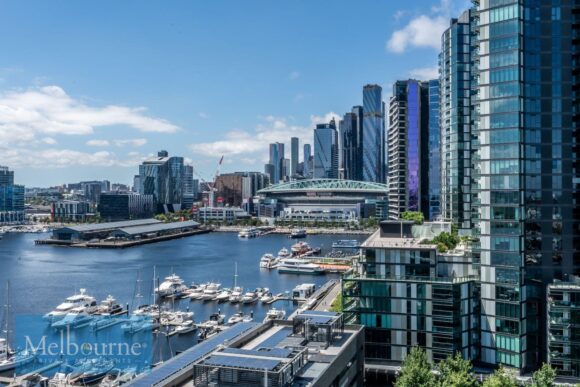
Why Plan Flights & Accommodation Together?
Coordinating flights and accommodation helps align travel dates, manage event demand, and secure preferred locations before peak periods fill quickly. Melbourne’s major events and school holidays can increase availability pressure, so planning both elements early can reduce last-minute changes and pricing surprises.
- Fewer date compromises during major events
- Smoother arrival planning around airport transfers
- Better location selection before peak demand
- Clearer budgeting across flights and accommodation